

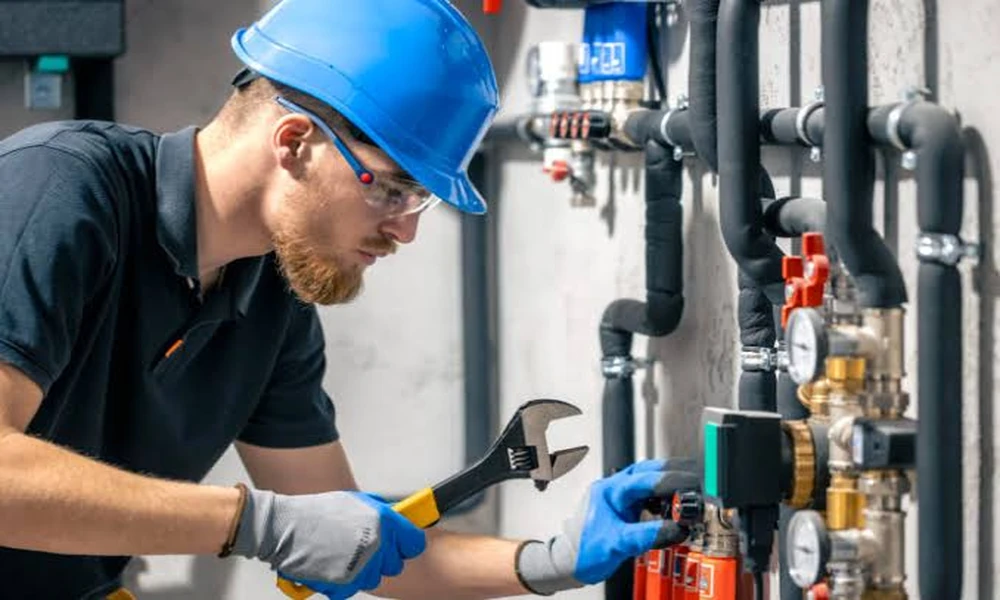
Community facilities support daily activities that bring people together for education, recreation, healthcare, worship, and public services. Reliable plumbing and climate control systems help these spaces remain comfortable, safe, and functional throughout every season. Careful planning and regular upkeep reduce unexpected disruptions that affect visitors and staff.
Large public properties depend on plumbing and HVAC for community buildings to support high occupancy levels and changing daily demands. Strong system design, dependable equipment, and timely maintenance help reduce service interruptions while protecting long-term building performance. This article explains the essential plumbing and HVAC needs that help busy community facilities operate efficiently.
Reliable Water Supply And Drainage
A dependable water supply allows community facilities to support restrooms, kitchens, locker rooms, and cleaning areas without interruption. Proper pipe sizing and balanced water pressure help maintain steady performance during peak occupancy. Durable materials also reduce the risk of leaks and premature wear.
Drainage systems deserve equal attention because blocked or damaged lines can quickly disrupt normal operations. Routine inspections help identify hidden issues before they develop into costly repairs. Efficient drainage also supports better sanitation throughout the property.
Indoor Comfort For Every Season
Heating and cooling systems create comfortable indoor conditions for visitors, employees, and volunteers throughout the year. Stable temperatures improve occupant comfort while protecting sensitive equipment and building materials. Proper airflow also supports a healthier indoor environment.
Air filtration plays an important role in community spaces that welcome large groups every day. Clean filters help reduce dust, allergens, and airborne particles that affect indoor air quality. Scheduled filter replacement also helps HVAC equipment perform more efficiently.
Smart System Design For High Occupancy
Community facilities experience heavy daily use that places constant demand on mechanical systems. Proper equipment capacity helps maintain stable performance during events, classes, meetings, and public gatherings. Accurate load calculations support dependable operation without unnecessary energy waste.
Thoughtful system layouts also improve future maintenance access. Easy access to valves, shutoff controls, mechanical rooms, and service panels allows technicians to complete repairs more efficiently. Good planning helps reduce downtime whenever maintenance becomes necessary.
Features That Support Long-Term Performance
Modern plumbing and HVAC systems include practical features that improve efficiency and simplify maintenance. High-efficiency fixtures help reduce water consumption without sacrificing performance. Advanced control systems also allow better temperature management throughout different areas of a facility.
Useful upgrades may include:
These improvements help facilities manage operating expenses while supporting dependable daily performance. Careful equipment selection also prepares buildings for future operational demands.
Professional Planning For Complex Facilities
Community buildings often contain kitchens, gymnasiums, meeting rooms, offices, and public restrooms under one roof. Each area places different demands on plumbing and climate control equipment, which requires careful coordination during design, installation, and maintenance. Experienced planning helps reduce operational conflicts while supporting reliable daily service.
Proper plumbing and HVAC for community buildings also includes system evaluations, equipment upgrades, code compliance, and long-term maintenance strategies. Regular assessments help identify aging components before failures disrupt public activities or essential services. A proactive approach allows facilities to maintain comfort, efficiency, and dependable operation throughout every season.
Busy community facilities depend on reliable plumbing and HVAC systems to support safe, comfortable, and efficient daily operations. Careful planning, preventive maintenance, and quality equipment help reduce unexpected repairs while extending system life. Practical upgrades improve performance and support changing occupancy needs across different spaces. Strong mechanical systems help community facilities continue serving visitors with confidence for years to come.
