

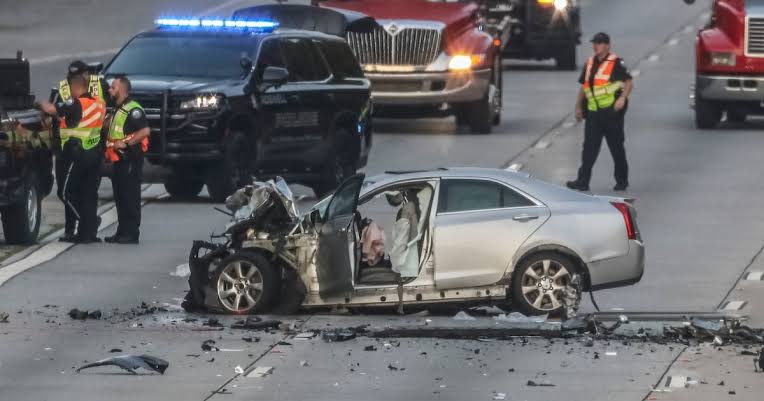
Most people spend more time deciding what to eat for lunch than they do preparing for the 30 minutes after a car crash. That gap shows up later, when the insurance calls start and nobody remembers exactly where the traffic light was or who said what to the officer.
Here’s what I’d tell a friend who just got rear-ended on the Connector: the first 48 hours matter more than the next 48 days. You don’t need to win your case on day one. You need to not lose it. That means gathering the right details, avoiding a few very normal mistakes, and knowing when to actually call someone.
This piece walks through the steps in the order you’ll face them, plus the stuff people skip because they’re shaken up or just want to get home.
Step One: Stop, Breathe, and Call 911 Even If Nothing Hurts
Georgia law requires drivers involved in a collision that causes injury, death, or property damage above a low threshold to stop and report it, according to the State of Georgia. That’s the legal floor. Here’s the practical version: call 911 regardless.
Adrenaline is a liar. I’ve talked to people who felt fine at the scene and couldn’t turn their neck two days later. A police report created at the scene does something your memory can’t do a week out. It locks in the time, the location, the other driver’s name, and the officer’s impression of who was at fault.
Move your car out of traffic if it’s safe. If it isn’t, stay put with your hazards on and wait. Do not stand between two vehicles on a highway shoulder. That’s how a fender bender turns into something far worse.
What to Capture Before You Leave the Scene
Your phone is your best tool in the first ten minutes. Use it before the tow truck shows up and everyone scatters.
- Photos of all four corners of every car involved, plus close-ups of damage
- The other driver’s license, insurance card, and plate number
- Wide shots of the intersection showing signals, signs, and lane markings
- Names and numbers of any witnesses standing around
That last one gets skipped constantly. Witnesses leave. Once they’re gone, they’re gone. If someone saw the other car run the light, get their name before they walk to their own car.
Write down what you remember while it’s fresh. Not a polished statement, just notes. Weather, road conditions, what you were doing right before impact. Your memory degrades fast, and a short note you wrote that afternoon carries more weight than a confident recollection six months later.
When Should You Actually Call a Lawyer?
You don’t need one for a scratched bumper with no injuries. You probably do need one when any of these show up:
- You were treated at an ER or urgent care
- The other driver was uninsured or fled the scene
- A commercial vehicle, rideshare, or delivery van was involved
- The insurance company is already asking for a recorded statement
- You’re missing work because of pain
That recorded statement request is the one that trips people up. It sounds routine. It isn’t. Anything you say can be clipped out of context and used later to argue your injuries weren’t that serious. I’d hand that call off every single time.
If your crash happened north of the city, it’s worth talking to a car accident lawyer in Sandy Springs,GA, who knows how cases move through Fulton and DeKalb County courts. Local knowledge of how claims get handled in those venues matters more than most people realize.
The Insurance Calls: What to Say and What to Hold Back
Your own insurer needs to know about the crash. Report it. That’s a contractual obligation and there’s no getting around it.
The other driver’s insurer is a different conversation. They’re not on your side, and they’re not neutral, no matter how friendly the adjuster sounds. Early settlement offers usually arrive before you know the full extent of your injuries.
The most expensive mistake I see is signing a release before the doctor has finished treating you. Once you sign, that’s it.
You can decline to give a recorded statement to the other side’s carrier. You can ask them to send any request in writing. You can say you’ll follow up. None of that is rude, and none of it hurts you.
According to the Insurance Information Institute, auto insurance claims and the legal questions around them are among the most common consumer inquiries the industry fields. That tells you something simple: you’re not the first person confused by this process, and the confusion is by design.
A Few Things That Quietly Wreck Cases
These aren’t dramatic. They’re small, and they add up.
Posting about the crash on social media. Even a casual “walking fine now, thank God” post can be screenshotted and used to argue you’re not injured. Stay off it until everything’s resolved.
Gaps in treatment. If you saw a doctor once and then skipped six weeks, the other side will argue you must have healed. Follow your treatment plan even when it’s inconvenient.
Talking to the other driver’s family or friends. Anyone connected to the other side who reaches out is not doing you a favor.
I know how this sounds. It sounds paranoid. It isn’t. Insurance defense work is a business, and these are the exact threads they pull.
Your Timeline, Roughly
| Timeframe | What Happens |
|---|---|
| Day of crash | Police report, photos, witness info, medical check if needed |
| First week | Insurance notifications, first adjuster calls, begin treatment |
| First month | Medical records accumulate, claim value becomes clearer |
| Before settlement | Confirm treatment is complete, review offer carefully |
Georgia also sets a deadline for filing a personal injury lawsuit, and that clock starts on the date of the crash. Check the current rule on an official government services page rather than trusting what someone told you at the body shop. Statutes get amended.
What I’d Do Differently
If it were me, I’d handle the scene and the first insurance call alone, then get a lawyer involved the moment a recorded statement came up or a doctor found something real. There’s no prize for toughing it out solo, and the cost of waiting usually lands on your side of the ledger.
Take the photos. Keep the notes. Skip the social media post. And when the adjuster calls with a number that sounds reasonable before you’ve finished treatment, that’s not generosity. That’s a deadline they’re trying to beat.
