

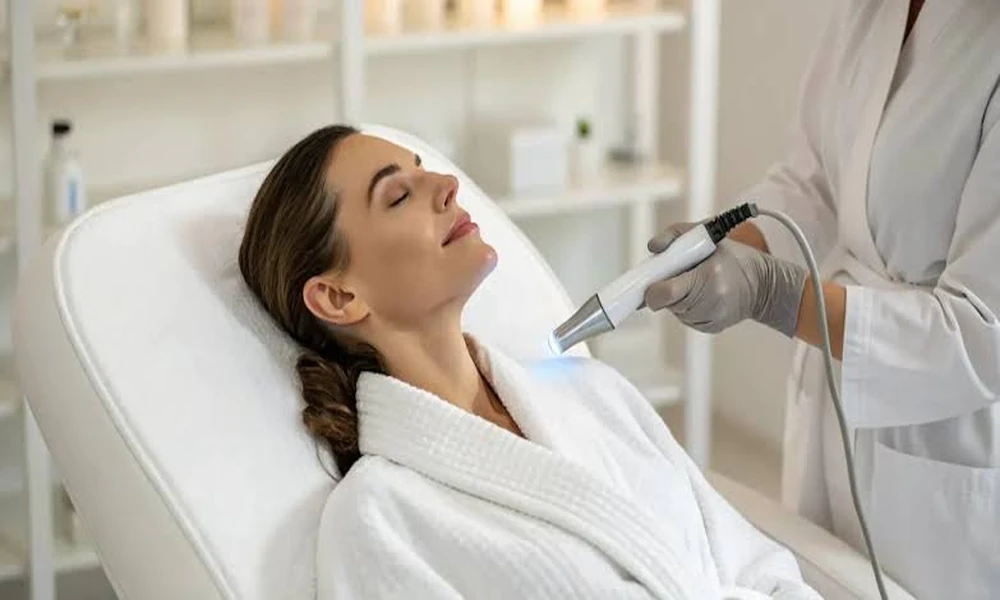
Radiant, youthful skin is a universal wish, but the path to achieving it is rapidly evolving. No one wants to gamble with their face or body, and the sheer number of non-surgical rejuvenation options can leave even the most beauty-savvy feeling lost. Choosing the right treatment is about more than just promised outcomes; it’s about balancing efficacy, safety, comfort, and trust in the clinic and technology.
Understanding Non-Invasive Skin Rejuvenation Technologies
Non-invasive skin rejuvenation has transformed from a niche procedure into a mainstream phenomenon. The three categories leading the charge are radiofrequency (RF), ultrasound, and laser-based devices. Each uses energy to stimulate the skin’s natural regeneration, boost collagen production, and improve tone and tightness. RF devices like Thermage® and Sofwave™ deliver heat deep into the skin to remodel collagen, while ultrasound systems such as Ultherapy® use focused sound waves to trigger a lifting effect. Laser treatments often focus on resurfacing and texture improvements.
Choosing between them depends on your unique skin concerns, desired downtime, and tolerance for sensation. Lasers excel at improving texture and pigmentation but can require downtime. Ultrasound and RF options tend to focus on tightening and tend to have little to no recovery time.
Multifrequency Monopolar RF Technology: The Xerf System
The latest breakthrough arrives in the form of multifrequency monopolar RF, notably the Xerf system, developed in Korea. Unlike traditional single-frequency RF devices, Xerf delivers energy at two distinct frequencies, allowing practitioners to target both superficial and deeper layers of skin simultaneously. This dual approach results in more uniform heating and enhanced collagen and elastin regeneration.
But what really sets Xerf apart is its advanced cooling system, enabling high therapeutic temperatures while protecting the skin’s surface. The treatment is pain-free for most patients, requires no anesthesia, and is customizable to individual needs and skin thickness. The versatility extends to nearly all areas of the body, from the jawline and neck to the abdomen and thighs.
Comparative Analysis: Xerf vs. Other Leading Treatments
When patients weigh their options, the differences between leading technologies become crucial. Xerf’s multifrequency approach stands in contrast to classic Thermage® or single-frequency RF, which may be less precise in targeting multiple tissue depths.
| Feature | Xerf (Multifrequency RF) | Thermage® (Single-Frequency RF) | Ultherapy® (Ultrasound) | Sofwave™ (Superficial RF) |
|———————–|————————-|———————————-|————————-|—————————|
| Frequencies | Dual (6.78 MHz, 2 MHz) | Single (6.78 MHz) | N/A | Single (7 MHz) |
| Depth Customization | High | Moderate | High | Low |
| Comfort | Built-in cooling | Requires numbing sometimes | Some discomfort | Comfortable |
| Downtime | None | Minimal to none | None | None |
| Versatility | Face, body, neck, arms | Face, body | Face, neck, chest | Face, neck |
Xerf’s integration of cooling technology and true multifrequency delivery grants a more comfortable patient experience and potentially more comprehensive results in fewer sessions.
Patient Suitability and Treatment Protocols
Not everyone is a candidate for every technology. Non-invasive tightening works best for mild to moderate skin laxity and for those hoping to prevent sagging before it becomes severe. People with active skin conditions, metal implants, recent fillers, or those who are pregnant should not undergo these treatments.
Treatment protocols are refreshingly straightforward: most patients need two sessions, a month apart, for optimal effects. Results continue to improve over a few months as new collagen forms, and periodic maintenance (every 6-12 months) can help sustain these gains.
Assessing Risks and Ensuring Safe Treatment Choices
Risks with non-surgical treatments are minimal but not non-existent. Temporary redness and mild swelling are the most common effects, but burns are possible if devices are not properly calibrated. That’s why a thorough consultation with a qualified practitioner is essential. A detailed review of your medical history, current medications, and recent procedures is non-negotiable.
Following post-treatment care instructions, such as avoiding sun exposure and keeping the skin moisturized, can help minimize risks and maximize results.
Practical Guidelines for Choosing the Right Treatment
So how do you choose? Start by matching your concerns to the right modality. If you want lifting and firmer skin with zero downtime, multifrequency RF like Xerf may be perfect. Always research the clinic’s reputation and the devices they use. Ask questions about the practitioner’s experience, technology safety mechanisms, and whether the clinic offers evidence-based, clinically validated systems.
For those considering the latest in comfort and effectiveness, Clinique Anti Aging Xerf skin tightening offers a useful reference point for what cutting-edge care and advanced technology can accomplish when combined.
Long-Term Outcomes and Patient Satisfaction
Patience is rewarded with these treatments. While some tightening and glow are visible right away, the full benefit unfolds gradually. Results can last up to a year or more, depending on your age, skin quality, and ongoing care. No non-surgical option can rival the longevity of a facelift, but modern RF and ultrasound devices come closer than ever.
Future Trends in Non-Invasive Skin Rejuvenation
The next wave of innovation lies in hybrid devices that blend multiple energies, RF with ultrasound or microneedling, for example. Korean engineering, as seen in Xerf, promises even safer, more efficient treatments. As technology evolves, we can expect shorter sessions, longer-lasting effects, and treatments that cater to every skin type and age group.
Choosing non-invasive skin rejuvenation is a personal journey. With the right guidance and state-of-the-art tools, achieving naturally youthful skin is safer and more accessible than ever.
