

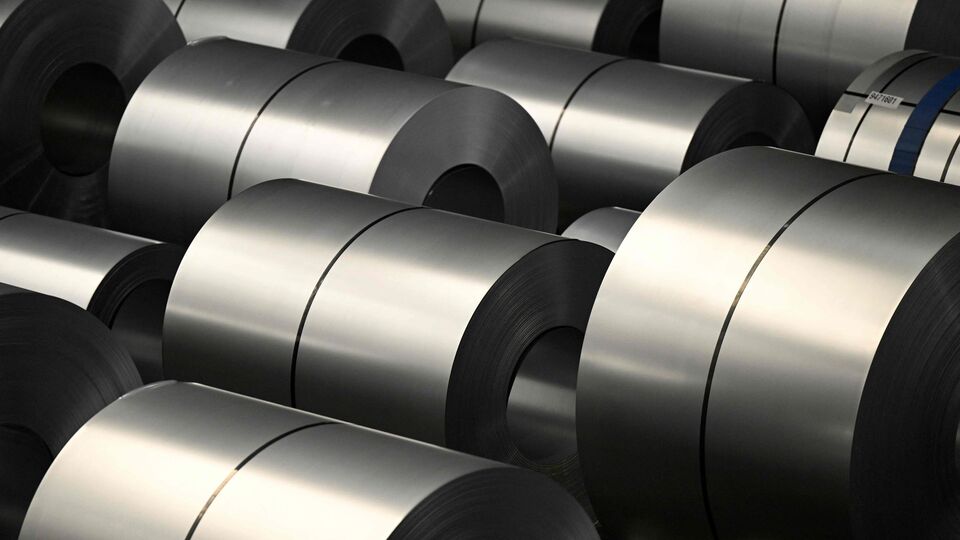
Two bundles. That’s how far off one job went. A guy running a two man welding shop ordered plate for a trailer deck, sized it off the drawing, and ended up two bundles short because the drawing listed nominal thickness and the mill shipped under the tolerance. He ate the cost on the second order and the freight on both.
Steel buying punishes assumptions faster than almost any other part of a small shop’s week. The spec sheet, the price per pound, the delivery window, all of it looks simple until a half inch of variance turns into a reorder. Whether you’re a hobbyist building a gate or a foreman sourcing for a crew, the same handful of decisions separate a clean purchase from an expensive lesson, and a steel supplier near Austin that explains those decisions up front saves you from most of them.
Here’s the shape of what follows: how to read a spec like a buyer instead of a browser, the four things I check before any order leaves my desk, how delivery quietly changes your real cost, and where local supply beats a big box run every time. No price forecasts, no mill gossip. Just the stuff that actually moves money.
Reading a steel spec like a buyer, not a browser
Most first time buyers search a product name and stop at the first price. That’s the wrong end of the transaction. The specification tells you what you’re actually getting, and it’s the part a supplier will ask about before they quote you.
Start with grade. Mild steel, often called A36, is the workhorse for brackets, frames, and general fabrication. Corten, or weathering steel, carries a different chemistry that develops its own protective surface layer. Aluminum behaves nothing like either. If your project lives outdoors in Central Texas sun and occasional freeze, the grade question matters more than the price per pound.
Then shape and dimensions. Plate, sheet, flat bar, angle, channel, I beam, round and square tubing: each has its own sizing convention, and mixing them up in a quote request is how you end up with the wrong material on your rack. A supplier with proper inventory will usually flag the mismatch before cutting, but you shouldn’t count on catching it at that stage.
Finally, tolerance. Nominal thickness is a label, not a promise. Industry standards allow mills to ship within a range, so a quarter inch plate can legitimately arrive slightly under. If your design has no margin, say so in writing. There is a reason the National Institute of Standards and Technology treats measurement traceability as foundational across manufacturing. Your steel order deserves the same discipline, even if the tool is a caliper and a clipboard.
The four point check I run before any order
This is the part I’d hand to anyone starting out. It’s a short sequence, and skipping any step costs more than the time it saves.
- Draw it before you call. A rough sketch with dimensions and quantities gets you an accurate quote in minutes. A vague phone description gets you a guess.
- Confirm the cut list. If the supplier offers cutting, ask what tolerance their saw holds. A cut that’s close isn’t the same as a cut that’s right.
- Price the whole ticket. Material plus cut charges plus delivery plus your own pickup time. The cheapest line item on the quote is rarely the cheapest job.
- Know your lead time backward. If your crew needs steel Monday, you needed to order last Thursday. Build the buffer into the schedule, not the apology.
I’ll add a personal rule that isn’t on most lists: order enough for one mistake. If a project needs twelve pieces, buy thirteen when the material is cheap and the setup is fussy. The thirteenth piece costs less than a second trip, and it always finds a use on the next job.
Delivery quietly changes your real cost
Freight is where budgets go to die, and it’s the number people forget to ask about. A local supplier on the I-35 corridor delivers across the Austin metro without the long haul surcharge that comes with ordering from a distributor three states away. That difference alone can outweigh a lower headline price.
The same logic applies to pickup. Loading a full sheet of plate into a half ton pickup with no rack is a project in itself. Suppliers who offer delivery and cutting as standard services take that problem off your hands, and you keep your Saturday.
Cheap steel that arrives late isn’t cheap. It’s a schedule risk with a price tag attached.
Safety isn’t a footnote when you’re moving metal
I’ve watched a twenty foot piece of tubing slide off a truck bed because nobody thought about how it would come off. Steel is heavy, it’s awkward, and it bites when it lands. Everything from rigging a load to cutting with an abrasive saw has rules for a reason.
You don’t need to memorize a manual, but you should treat the basics as non negotiable. The Occupational Safety and Health Administration publishes baseline guidance on material handling and machine guarding that applies whether you have two employees or twenty. Read the parts that touch your actual tasks. Stacking and storing steel so it doesn’t shift is the quiet part of that guidance most shops learn the hard way.
Why local supply beats a national order for most small jobs
A big distributor can beat anyone on unit price for a full truckload. That’s a real advantage if you’re buying a truckload. For a ten piece order, it’s usually a negotiation with a delivery window you don’t control.
A local yard gives you something a national order can’t: a phone number that answers and a person who knows the inventory. You can walk the showroom, see the finish, and confirm the stock before you commit. When a job changes on a Tuesday afternoon, that access is worth more than a few cents a pound.
There’s an economic backdrop here too. According to broad demographic and business data from the U.S. Census Bureau, small firms make up the overwhelming majority of American businesses. Those shops don’t buy steel by the rail car. They buy it by the bundle, and they need a supplier built for that scale.
A quick decision guide by project type
| Project | What to ask for | Where to be careful |
|---|---|---|
| Trailer frame or gate | A36 mild steel, angle and tubing, cut to a list | Tolerance on thin plate and weld prep on cut ends |
| Landscape edging | Weathering steel, lengths matched to your run | Rust is the finish, so plan the look before purchase |
| Custom bracket run | Flat bar and sheet, tight cut tolerance | Per piece pricing once cuts multiply |
| Shop repair work | Mixed stock, small quantities | Whether the yard sells partial bundles or cut lengths |
What to bring to the counter
You don’t need much. A written list with shapes, grades, and sizes. A cut plan that says which dimensions have to be exact and which can flex. A budget that includes delivery and any shop time you’re spending on pickup. And a phone number for the person who approves changes when the job shifts.
Ask how stock tolerance is handled, whether cut charges are quoted per piece or per minute, and what the turnaround looks like during a busy week. A supplier who answers those three without flinching is a supplier you can build a schedule around.
The two bundle story had a boring ending. The shop owner started sending a cut list and a tolerance note with every request, and the short shipments stopped. No secret process, no better deal. Just the discipline to write down what he actually needed before he spent money on it.
Do that, and you’ll find that the hardest part of buying steel is the first ten minutes of planning. What’s the last order you placed where you skipped the cut list?
